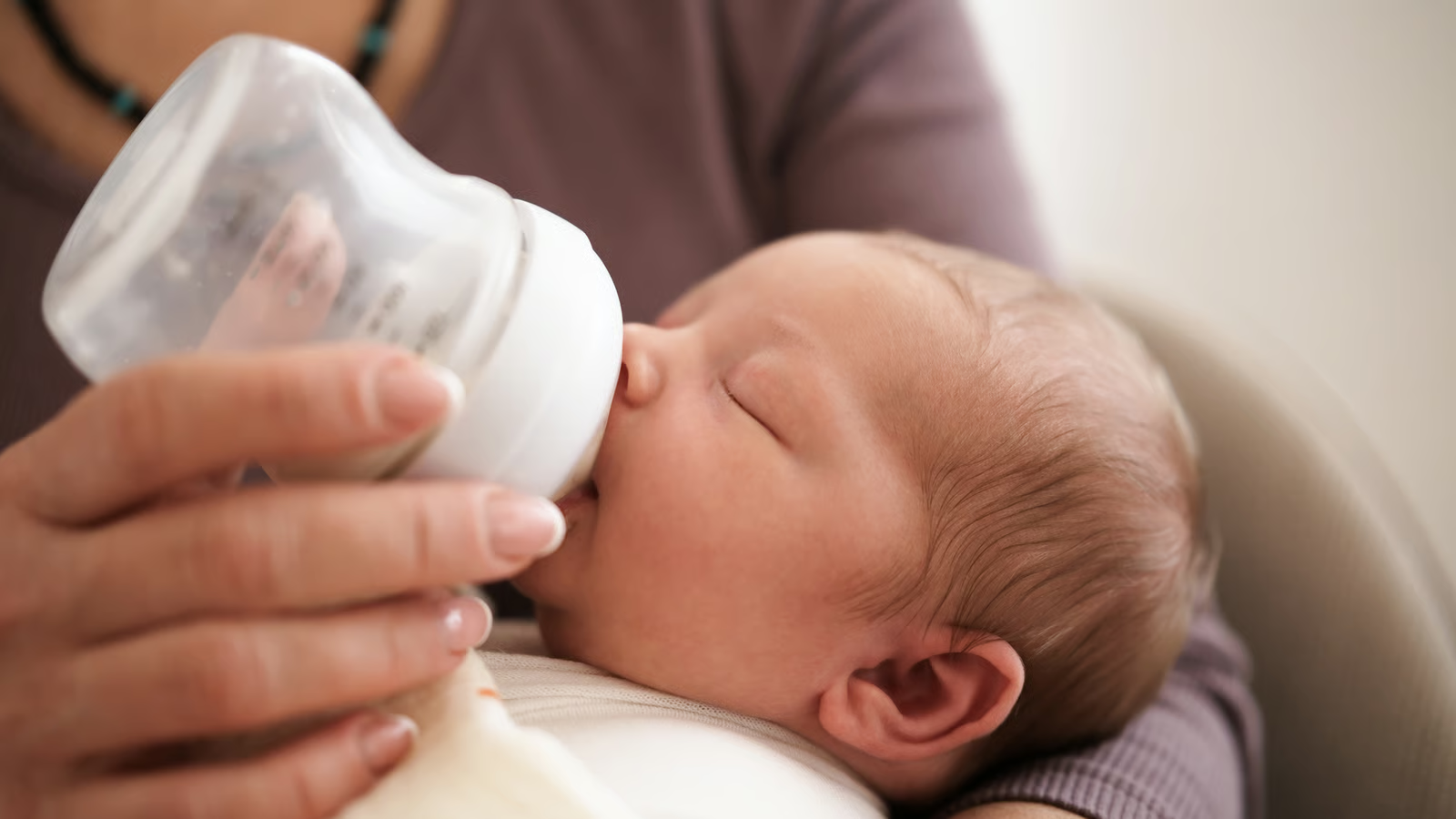
To get a breastfed baby to take a bottle, introduce the bottle when your infant is calm and only slightly hungry. First, have a non-nursing partner offer the feed while the nursing parent leaves the room. Next, warm the breast milk to body temperature and warm the silicone nipple under warm tap water. Finally, use a slow-flow, slope-shaped nipple and let your baby actively draw the nipple into their mouth rather than forcing it between their lips.
Many nursing parents feel stressed when their baby suddenly refuses a bottle. This challenge often appears right before a parent returns to work or needs someone else to assist with daily feedings. Fortunately, bottle refusal is a temporary developmental hurdle rather than a permanent feeding issue.
By changing your feeding technique and offering the right bottle shape, you can help your infant accept the bottle calmly.
Why Breastfed Babies Refuse Bottles
Breastfeeding and bottle feeding require completely different oral motor mechanics. At the breast, an infant uses a wide latch and a gentle, rolling tongue motion to extract milk. In contrast, traditional bottles deliver milk faster and require different mouth pressure.
In addition, your baby associates the smell and presence of the nursing parent with direct breastfeeding. Therefore, if the nursing mother offers a silicone bottle, the baby often becomes confused or frustrated. Understanding this difference helps you approach bottle practice with empathy rather than frustration.
The Best Time to Introduce a Bottle
Timing plays a critical role in bottle acceptance. According to the Academy of Breastfeeding Medicine (ABM), introducing a bottle between three and six weeks of age is ideal for established breastfed infants.
During this window, your milk supply is usually stable, and your baby has not yet developed strong oral preferences. However, if your baby is already older than six weeks, you can still succeed with gentle and consistent practice.
Always practice when your infant is content. For example, offer a small test bottle about thirty minutes after a regular nursing session. Because your baby is not desperately hungry, they will explore the nipple with curiosity instead of screaming in hunger.
5 Practical Steps to End Bottle Refusal
Follow these practical adjustments to help your baby accept a bottle without tears.
1. Have Another Caregiver Offer the Feed
Babies can smell maternal breast milk from several feet away. As a result, an infant will naturally reject artificial silicone if they know the breast is nearby.
Have your partner, a grandparent, or a childcare provider offer the bottle. In addition, the nursing parent should ideally leave the room or take a walk outside during early attempts.
2. Match the Milk and Nipple Temperature
Human breast milk leaves the body at approximately 98.6 degrees Fahrenheit (37 degrees Celsius). Therefore, cold or room-temperature milk feels unnatural to a newborn.
Warm the expressed milk in a bowl of warm water before feeding. In addition, run warm tap water over the silicone bottle nipple for five seconds. A warm nipple feels much closer to human skin.
3. Choose a Gradual Slope Nipple
Many bottles feature narrow nipples that force babies to purse their lips like a straw. However, breastfed infants need a wide, gradual slope nipple that supports an open, flared latch.
Select a slow-flow or preemie nipple. Because slow-flow nipples prevent milk from flooding your baby’s mouth, your infant maintains full control over the liquid flow.
4. Practice Paced Bottle Feeding
Never feed a breastfed baby while they are lying flat on their back. Instead, hold your baby in an upright seated position.
Hold the bottle horizontally so the milk only fills half the nipple. This position allows your baby to pull milk actively, just as they do during breastfeeding. Furthermore, give your baby brief pauses every few sips to mimic the natural rhythm of letdowns.
5. Change the Feeding Position
If your partner holds the baby in the traditional nursing cradle position, the baby will expect the breast. Therefore, try alternative holding positions:
- Sit the baby upright on your lap facing outward toward the room.
- Place the baby in an infant bouncer chair while you sit facing them.
- Feed the baby while walking gently around the room to provide soothing motion.
Bottle Nipple Selection Guide
| Nipple Characteristic | Recommended Type | Why It Helps Breastfed Babies |
| Base Shape | Wide, gradual slope | Encourages a deep latch with flared lips |
| Flow Rate | Preemie or Level 1 (Slow Flow) | Prevents choking and flow preference |
| Material | Soft, matte silicone | Mimics the flexibility of skin |
| Venting System | Anti-colic internal valve | Reduces swallowed air and trapped gas |
What to Do When Baby Still Refuses
If your baby pushes the bottle away or cries, stop the session immediately. Forcing a nipple into a crying baby’s mouth creates a negative association with feeding.
Instead, comfort your infant and try again a few hours later. If your baby refuses the bottle for multiple days, you can offer small amounts of milk using an open cup, a small medicine syringe, or a soft spoon. These alternative feeding tools provide adequate hydration while you continue gentle bottle practice.
When to Consult a Professional
Most bottle transitions resolve with patience and practice. However, you should consult an International Board Certified Lactation Consultant (IBCLC) or your pediatrician if you notice these signs:
- Your baby coughs, gags, or chokes during every bottle attempt.
- Your infant refuses all milk for more than four to six hours.
- You notice signs of dehydration, such as fewer than six wet diapers in twenty-four hours.
- Your baby displays signs of oral restriction, such as a severe lip or tongue tie.
Key Takeaways
- Introduce bottles during calm moments: Never attempt initial bottle training when your baby is frantically hungry.
- Let another caregiver feed: Have your partner or a caregiver offer the bottle while the nursing mother steps out of view.
- Warm the silicone nipple: Running warm water over the nipple makes the bottle feel familiar and comforting.
- Use paced bottle feeding: Keep the baby upright and the bottle horizontal so your infant controls the milk flow.
- Never force the bottle: If your baby resists, stop the attempt calmly to prevent feeding aversions.
Community
Did your breastfed baby struggle with bottle refusal before daycare or work? Which bottle nipple or feeding position finally worked for your family? Share your experience with other parents in the BabyCareGuide Community.
Save
Bottle training takes consistent daily practice. Bookmark this guide on your phone so you can reference the paced feeding steps and nipple guide during your next feeding session.
Share
Know a nursing mom who is preparing to return to work soon? Share this step-by-step bottle transition guide to make her upcoming routine smoother.